
JANUARY 2019
are we thinking more positively about australian cities?
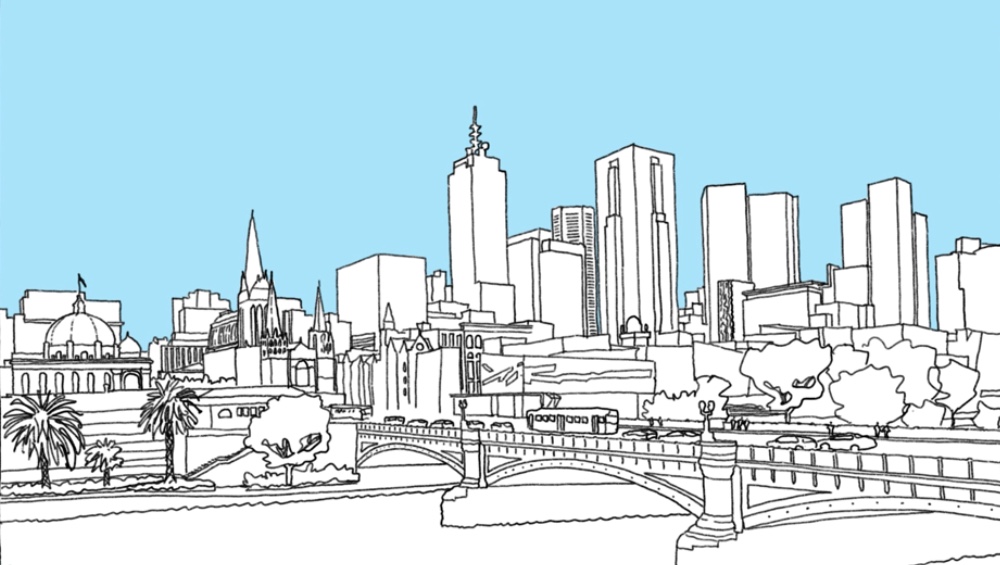
Some years ago I found myself at the National Press Club in Canberra listening to Clover Moore, the mayor of Sydney, speak about that city. She was there to deliver the annual Griffin Lecture, a nearly sixty years old institution. I was there because previous speakers, including me, were invited to witness the lecture shrug off its older, dowdier, venues and blossom in the celebrated press club.
"Should Cities Rule the World?" was the title of Moore's lecture, a topic that was seemingly calculated to attract me. Not long before I had enjoyed reading Edward Glaeser’s book "Triumph of the City", and I was interested to see if similar themes would be followed.
They were. In Moore's lecture those were filtered through the lens of the day to day pressures of setting the current and future agenda of an individual city compared to the wide-ranging survey of the world's cities contained in Glaeser's book. In both the importance of cities was underscored. For example according to Moore, in Australia our capital cities represent 64% of our population, house two thirds of our workforce and educate 80% of our tertiary students.
Both Moore and Glaeser convey the importance of cities as agents of change in society, and as crucibles of innovation and creativity. As Glaeser put it, cities magnify humans' strengths. The ideas that emerge in the city- for example democracy, printing, mass production- eventually enrich the rest of the world. And yes, Moore believed that cities should rule the world.
These thoughts arose the other week when reading an article in the press about the rise of cities in Australia, noting the significant increase in both number and proportion of our population living in cities. No surprises there, but what was intriguing was that the article was positive in tone.
We know that 2009 was the first time in the history of the world that more people lived in cities than in rural areas. A global map illustrating the countries in which the majority of people lived in cities in 1950 would show Australia as one of only a handful of such countries. Now the picture is very different: Australia's high level of urbanisation is becoming a global trend.
Perhaps the positivity expressed in the article I was reading marks a turn in this debate? Perhaps we are now collectively starting to think more clearly about the reality of urbanisation in Australia and the social, economic and environmental benefits it brings?